
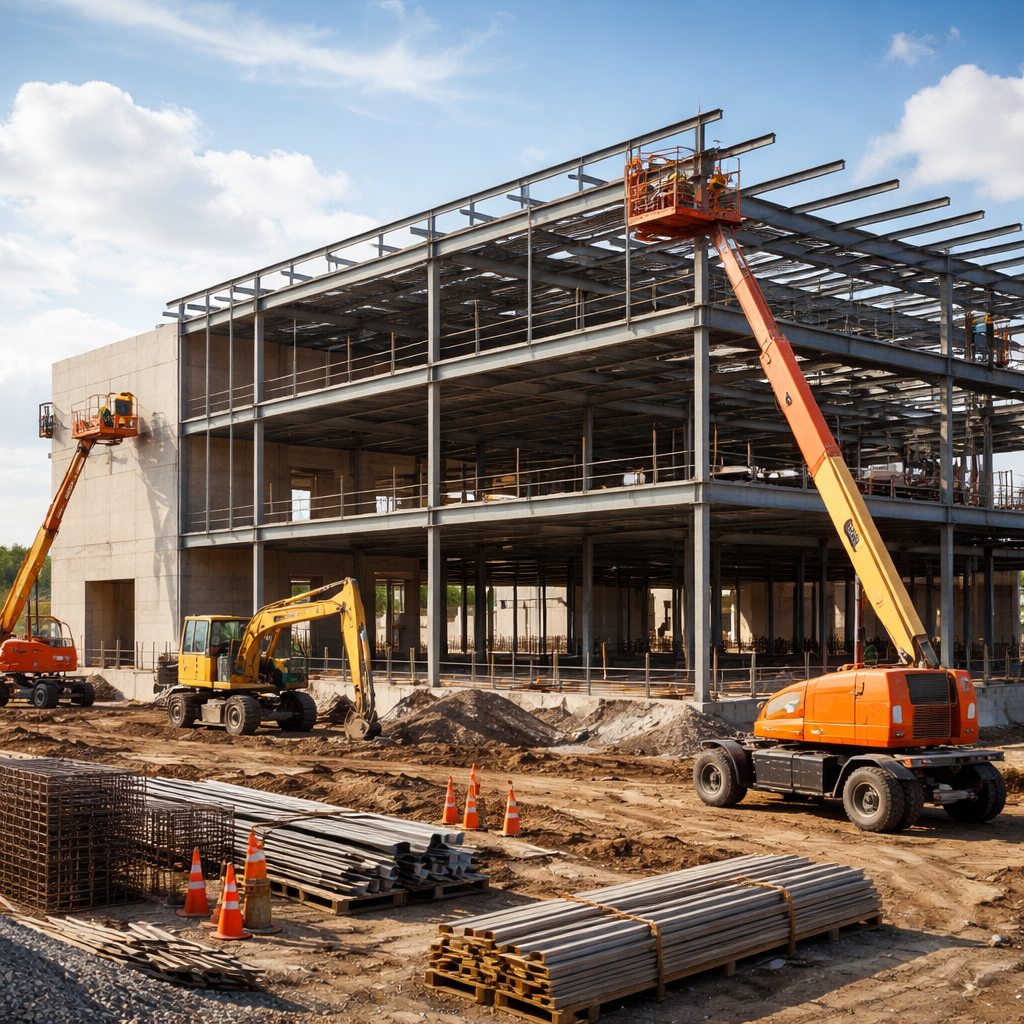
Commercial Building Construction
Precision Surveying and Intelligent Design Solutions That Lay the Foundation for Successful Commercial Construction
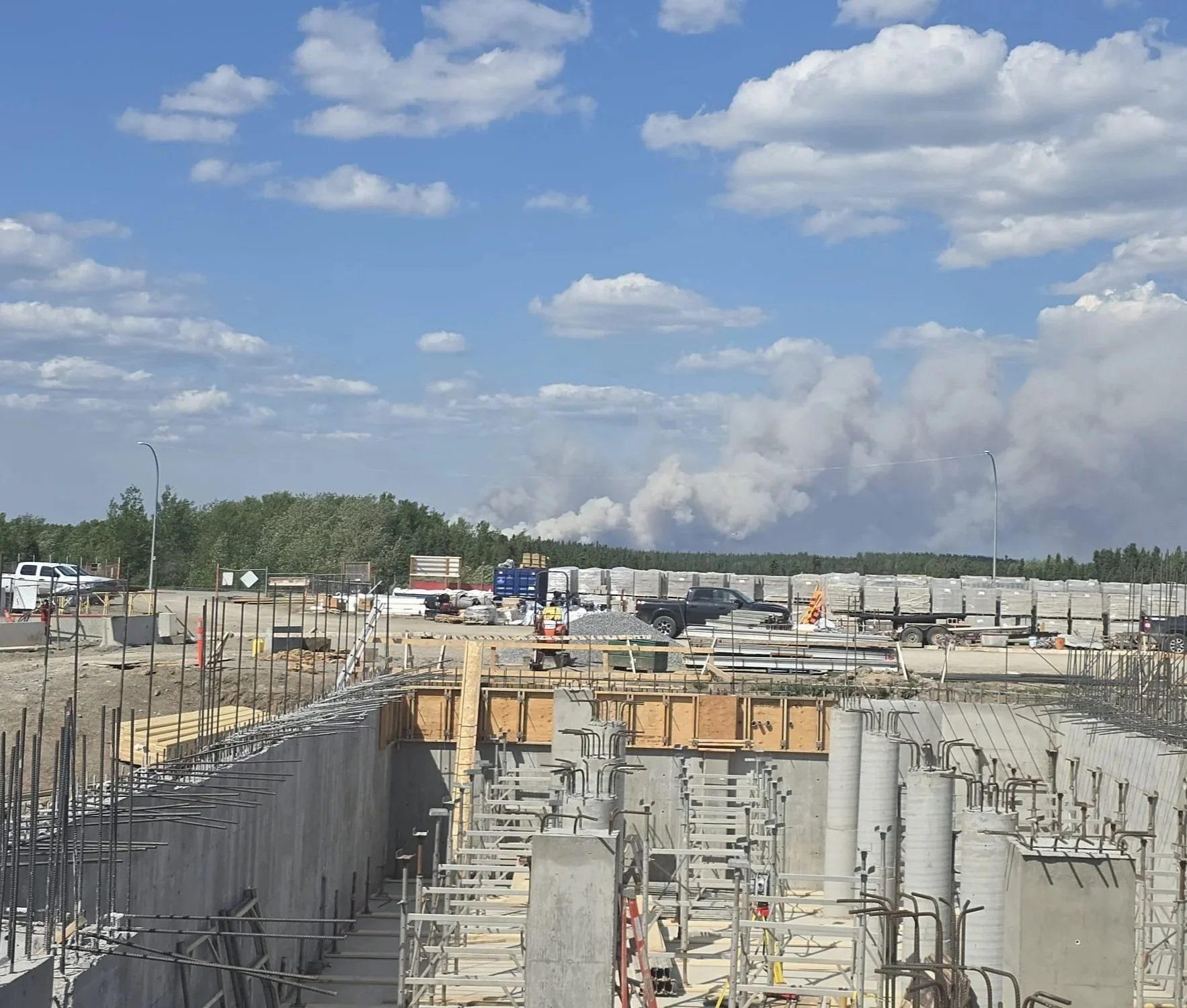
Everything Starts With Survey
Commercial building construction is a high-stakes environment where verticality, structural alignment, and tight tolerances are non-negotiable. In a multi-story development or a large-scale industrial complex, a deviation of just a few millimeters at the foundation can compound into significant structural issues as the building rises. Construction surveying acts as the precision anchor, ensuring that every bolt, column, and utility line sits exactly where the architects and engineers intended.
Here is a detailed breakdown of how professional geomatics drives the success of commercial building projects:
The Foundation: Establishing Control and Gridlines
The lifecycle of a commercial building begins with a Primary Control Network. Surveyors establish highly stable benchmarks outside the "zone of influence" of the construction activity. This ensures that as the ground shifts due to excavation and heavy loading, the project’s reference points remain absolute.
From this control, the surveyor lays out the Building Gridlines. These are the primary horizontal and vertical references that every subsequent trade—from concrete and steel to mechanical and electrical—will use. By establishing these gridlines with sub-centimeter accuracy, the surveyor ensures that the building remains square and that vertical elements are perfectly plumb.
Precision Layout: Foundations, Piles, and Anchors
Before the first meter of concrete is poured, the surveyor provides the blueprint for the structural skeleton:
Piling and Footing Layout: For large commercial structures, surveyors mark the exact locations for piles or spread footings. Precise positioning is critical to ensure that the load-bearing capacity of the soil is utilized as engineered.
Anchor Bolt Placement: One of the most precise tasks in commercial surveying is the layout of steel anchor bolts. These bolts must align perfectly with the base plates of the structural steel columns. There is often zero room for error here; even a 5mm deviation can prevent a massive steel beam from being safely secured.
Slab and Formwork Verification: Surveyors provide "check-ins" on formwork elevations to ensure that concrete floor slabs are level and meet the specified finished floor elevations (FFE).
Vertical Control: Scaling the Heights
As a building rises, the challenge shifts from horizontal layout to Vertical Control. Surveyors use high-precision robotic total stations and digital levels to "jump" control points from the ground floor up to successive decks.
This process ensures that the building does not "lean" or "twist" as it grows. Surveyors perform regular Plumbness Checks on structural steel or cast-in-place concrete columns. By verifying verticality in real-time, the survey team allows the project manager to make immediate adjustments, preventing costly rework and ensuring the building’s curtain wall or exterior cladding will fit correctly during the finishing phases.
Sub-Surface Integration: Utilities and Site Services
Commercial sites are often a maze of underground infrastructure, including storm and sanitary sewers, water mains, electrical vaults, and communication lines.
Surveyors ensure that these services enter the building footprint at the exact coordinates and elevations required to meet the internal mechanical plans. Conflict Detection is a key benefit here; by surveying existing "foreign" utilities during the initial site prep, the geomatics team can identify potential clashes with the new foundation before the shovels hit the dirt.
Quality Assurance: As-Builts and Compliance
Throughout the project, As-Built Documentation serves as the final layer of quality insurance. By capturing the exact position of structural elements and utilities before they are covered by drywall or backfilled with soil, surveyors create a permanent record of the "truth" of the construction.
Tolerance Verification: Confirming that all structural elements fall within the strict tolerances defined by the building code and project specifications.
Risk Mitigation: Providing a documented trail of accuracy that protects the owner, the general contractor, and the consultants.
Handover Data: The final as-built survey is often integrated into the building’s BIM (Building Information Modeling) software, providing the owner with a digital twin that is essential for long-term facility management and future renovations.
By maintaining sub-centimeter accuracy from the first stake to the final structural check, construction surveying ensures that commercial developments are safe, efficient, and built exactly to the design intent.